The conventional wisdom of "buy small and upgrade later" is being challenged by major shifts in how we live and work. Remote work, multigenerational living, and aging-in-place trends are creating unprecedented demand for larger homes—and savvy home buyers are taking notice.
Table of Contents
The Remote Work Revolution
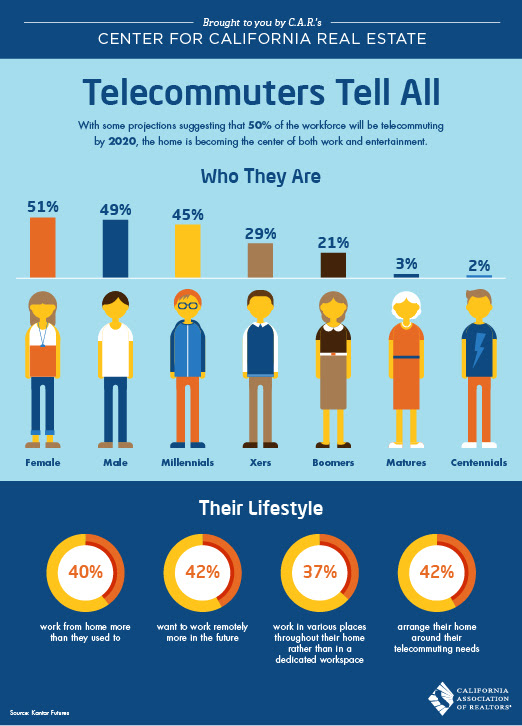
New research shows that telecommuting (also known as "work from home") continues to increase and is projected to grow significantly in the coming years. By 2025, an estimated 32.6 million Americans work remotely—that's about 22% of the workforce. This fundamental shift means homeowners need additional dedicated space for home office activities to make telecommuting productive and sustainable.
Working from home effectively requires:
- Dedicated office space: Separate from living areas to maintain work-life boundaries
- Video conferencing zones: Professional backgrounds and good lighting for virtual meetings
- Multiple workspaces: Many households now have two remote workers needing separate offices
- Storage and equipment: Room for technology, files, and professional equipment
This increased demand for home office space puts upward pressure on prices for larger homes. Properties with flexible floor plans and extra rooms are commanding premium prices in today's market.
Seniors Staying in Their Homes
An increasing number of seniors are choosing to remain in their homes rather than downsizing—a phenomenon known as "aging in place." According to AARP, nearly 90% of seniors prefer to stay in their current homes as they age. This trend is driven by several factors:
- Multigenerational living: Grandparents want space for visiting grandchildren and extended family
- Community roots: Seniors prefer staying connected to their established neighborhoods and social networks
- Home modifications: Many are choosing to age-proof their current homes rather than move
- Financial advantages: Staying put often costs less than moving to senior living facilities
With seniors staying in larger family homes longer, fewer big houses are entering the market. This supply constraint further drives up prices for spacious properties, making them a smart investment for buyers who can afford them now.
Why Space Matters More Than Ever
Today's families need more from their homes than ever before. Beyond remote work and aging in place, several lifestyle factors make bigger homes increasingly valuable:
- Home gyms and wellness spaces: The fitness-at-home trend accelerated by the pandemic is here to stay
- Distance learning: Dedicated study spaces for children doing virtual schoolwork
- Entertainment and hobbies: Room for creative pursuits, gaming, or craft spaces
- Guest accommodations: Separate spaces for visiting family and friends
- Storage needs: More space means less reliance on expensive storage units
The average new home size in America has grown to over 2,500 square feet—up from 1,600 square feet in the 1970s. This isn't just about wanting more; it's about needing more functional space to accommodate modern lifestyles.
The Investment Case for Bigger Homes
Beyond lifestyle benefits, buying the biggest home you can comfortably afford makes financial sense in many markets:
- Appreciation potential: Larger homes in good locations typically appreciate faster than smaller starter homes
- Market demand: With remote work here to stay, demand for spacious homes remains strong
- Avoid moving costs: Buying the right size now saves on transaction costs, moving expenses, and time
- Flexibility: Extra space adapts to life changes—growing families, aging parents, career shifts
Of course, "biggest you can afford" doesn't mean overextending yourself financially. Work with an experienced mortgage professional to understand your true budget, including maintenance, utilities, and property taxes. Consider programs like FHA loans with lower down payments if you need more buying power.
The Bottom Line
Two powerful trends—the rise of remote work and seniors aging in place—are fundamentally reshaping housing demand. Both point toward the same conclusion: bigger homes are becoming more valuable, not less. If you have the financial capacity and your lifestyle requires the space, buying a larger home now could be one of your smartest investment decisions.
The key is finding the right balance between space, location, and affordability. Don't sacrifice a great neighborhood for extra square footage you won't use. But if you're on the fence between two properties and can comfortably afford the larger one, the data suggests going bigger is the smarter long-term play.