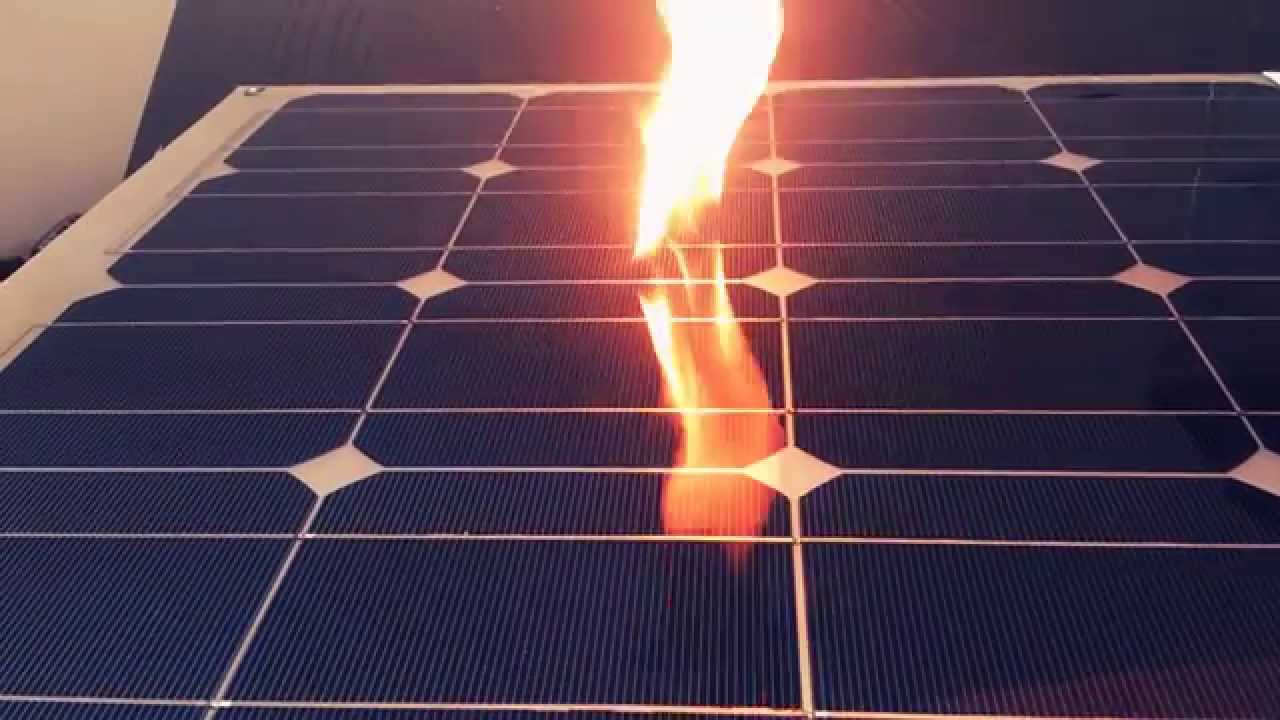
Solar panels are marketed as a win-win: save money on electricity while helping the environment. And in many cases, they are! But there's a dirty little secret the solar industry doesn't advertise: certain solar financing programs can devastate your ability to refinance or sell your home.
Thousands of homeowners who thought they were making a smart financial decision now find themselves trapped—unable to take advantage of lower interest rates or forced to pay tens of thousands to sell their homes. If you're considering solar, or already have it installed, here's what you need to know to protect yourself.
Table of Contents
What Are Solar Liens and Why Do They Matter?
When you finance solar panels through certain programs—particularly PACE (Property Assessed Clean Energy) loans like California's PACE Solar—the debt is attached to your property tax bill as a lien. This might sound harmless, but there's a critical problem:
Property tax liens take priority over mortgage liens.
Here's what that means: In a foreclosure, property taxes get paid first, before the mortgage lender gets a dime. If your solar lien is $30,000, that $30,000 comes off the top of any foreclosure sale proceeds. Your mortgage lender could lose significant money.
This is a huge stop sign—not just a red flag—for many lenders because it means that in the event of a foreclosure, the lender's share of sale proceeds could be severely diluted as a result of the priority to pay the solar first.
Lenders hate taking that kind of risk. Rather than gamble on whether you'll default, most simply refuse to lend on properties with these liens at all.
How Solar Liens Affect Your Ability to Refinance
Imagine this scenario: You installed solar in 2020 when mortgage rates were 3.5%. Now rates have dropped to 2.8%, and you want to refinance to save $200/month. You apply—and get denied.
Why? Because your PACE solar lien makes your loan too risky for most lenders to touch.
Unfortunately, this reality often isn't communicated during the solar sales pitch. Homeowners who thought they were making a financially responsible choice now find themselves:
- Unable to refinance to lower rates, costing thousands in lost savings
- Stuck with their current mortgage terms regardless of market conditions
- Potentially unable to access home equity through cash-out refinancing
- Limited to a small pool of lenders willing to work with solar liens (often at higher rates)
The good news: Federal housing agencies like FHA, VA, and Fannie Mae have recently created pathways to allow some PACE financing. This has slowly trickled down to more lenders accepting these loans—but many still won't. Always check with your mortgage lender before signing any solar contract.
The Hidden Nightmare of Selling a Home with Solar Liens
Refinancing isn't the only problem. Solar liens can make selling your home a nightmare.
Here's why: Most buyers need financing to purchase a home. But if you have a PACE solar lien, potential buyers face the same lending roadblock you would refinancing—many lenders simply won't approve their loan.
Your options become:
- Pay off the solar lien before closing – often $15,000-$30,000+ out of pocket
- Find a cash buyer – dramatically shrinking your buyer pool
- Roll the solar payoff into your asking price – pricing yourself out of the market
- Hope the buyer qualifies with a solar-friendly lender – causing delays and deal failures
Some sellers have been forced to price their homes $20,000-$40,000 below market value just to attract buyers willing to deal with solar complications. Others have watched multiple deals fall through as buyers' lenders rejected the solar lien.
The Leased Solar Problem
Think leasing solar avoids these problems? Think again. Leased solar panels create different but equally serious issues.
As the Washington Post reported:
"Some would-be buyers balk when they learn that they'll need to qualify on credit to take over your solar lease payments for the next 15 to 17 years. Others say they like the house but won't sign a contract unless you buy out the remaining lease payment stream — $15,000 or $20,000 or more — because they're worried that the solar equipment will become obsolete or won't save as much on electricity bills as advertised."
Buyers are rightfully skeptical of:
- Committing to 15-20 years of lease payments for equipment they didn't choose
- Technology that may become outdated within the lease term
- Savings projections that don't match reality
- The hassle of qualifying for lease assumption
Many buyers simply walk away rather than deal with the complication.
Read more: Washington Post Article on Leased Solar Problems
How to Go Solar Without Sabotaging Your Finances
Solar can still be a great investment—if you structure it correctly. Here's how to protect yourself:
Best Financing Options:
- Buy solar outright: No lien, no complications, maximum home value increase
- Personal loan or home equity line: Finance solar through your bank without creating a property tax lien
- Cash-out refinance: If you're already refinancing, pull cash for solar—you control the lien structure
If You Must Use Solar Financing:
- Avoid PACE loans entirely unless you're certain you won't refinance or sell for 15+ years
- Ask about lien priority before signing—will it subordinate to your mortgage?
- Get pre-approval from your current lender confirming they'll refinance with the solar lien
- Review the payoff terms—can you pay it off early without penalties if you need to sell?
Already Have Problematic Solar Financing?
- Contact lenders who work with solar liens—some specialize in these situations
- Consider paying off the solar lien if you're planning to refinance or sell soon
- Document actual energy savings to help justify the solar value to buyers
- Work with a real estate agent experienced in solar sales who knows how to navigate these issues
The Bottom Line on Solar Financing
Solar energy is wonderful for the environment and can save money on electricity. But don't let enthusiasm for solar blind you to the financial realities of certain financing programs.
Before you sign any solar contract:
- Talk to your mortgage lender about refinancing implications
- Understand exactly how the solar debt will be structured
- Get everything in writing about lien priority and payoff terms
- Consider alternative financing that doesn't create property tax liens
Solar should enhance your home's value and your lifestyle—not trap you in an unmortgageable, unsellable property. Take the time to structure it right.